Journal // Logistic Analytics
The Trans-Pacific Cold Chain: Preserving Live Culture Allocations
Published July 2026 • 7 Min Read
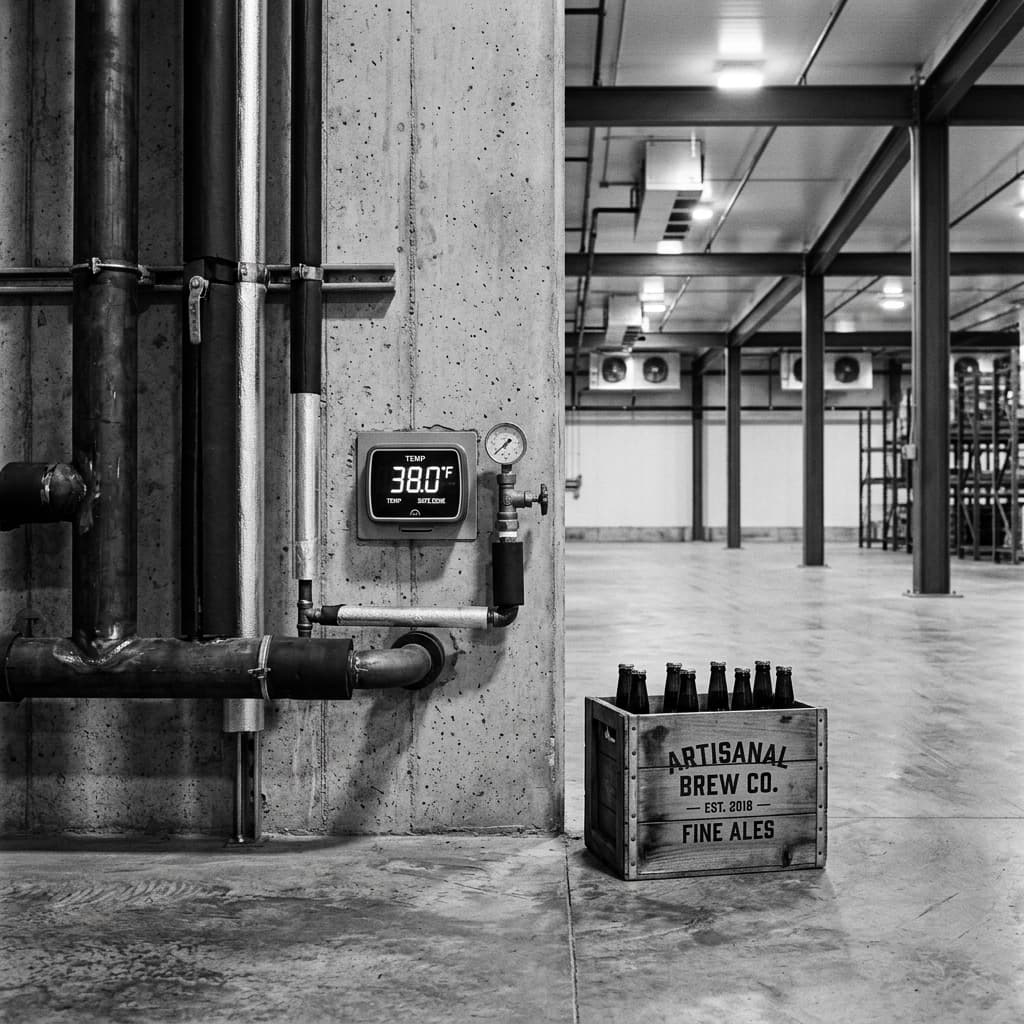
When pursuing fresh craft beer in Honolulu, the greatest impediment is not the distance across the Pacific—it is the temperature spikes along the journey. Living, unpasteurized liquid is highly fragile; its organic lupulin compounds and active yeast cultures are highly vulnerable to heat.
Traditional beverage distribution systems treat craft allocations as ambient, durable cargo. Standard freight boxes endure baking temperatures exceeding 90°F during long vessel transits and tarmac staging. Under these conditions, delicate hop-derived monoterpene alcohols like linalool and geraniol break down rapidly, generating stale, cardboard-like off-flavors (acetaldehyde and trans-2-nonenal).
"A single hours-long temperature surge past forty-five degrees will permanently alter the organic flavor complexity of an unpasteurized double dry-hopped IPA."
The Kinetics of Flavor Preservation
Chemical kinetic models show that the rate of staling in unpasteurized beer doubles with every 18°F temperature increase above optimal refrigeration levels. By enforcing a strict, unbroken 38°F logistics corridor using intermodal cold-chain containers, Haliʻā completely stops this molecular decay clock.
Every allocation that passes through our pipeline maintains its raw cellar profile from the West Coast packaging line straight to Oʻahu collectors, preserving the brewers exact sensory intent.
THE LETTER // FREE, MONTHLY, WORTH READING
Get the Haliʻā Letter — new reviews, the science of beer freshness, and dispatches from the West Coast beer cities we cover. Free, no spam, unsubscribe anytime.