Journal // Scarcity & Allocation
The Cult of Allocations: Why the Rarest Cellars Require Private Infrastructure
Published July 2026 • 6 Min Read
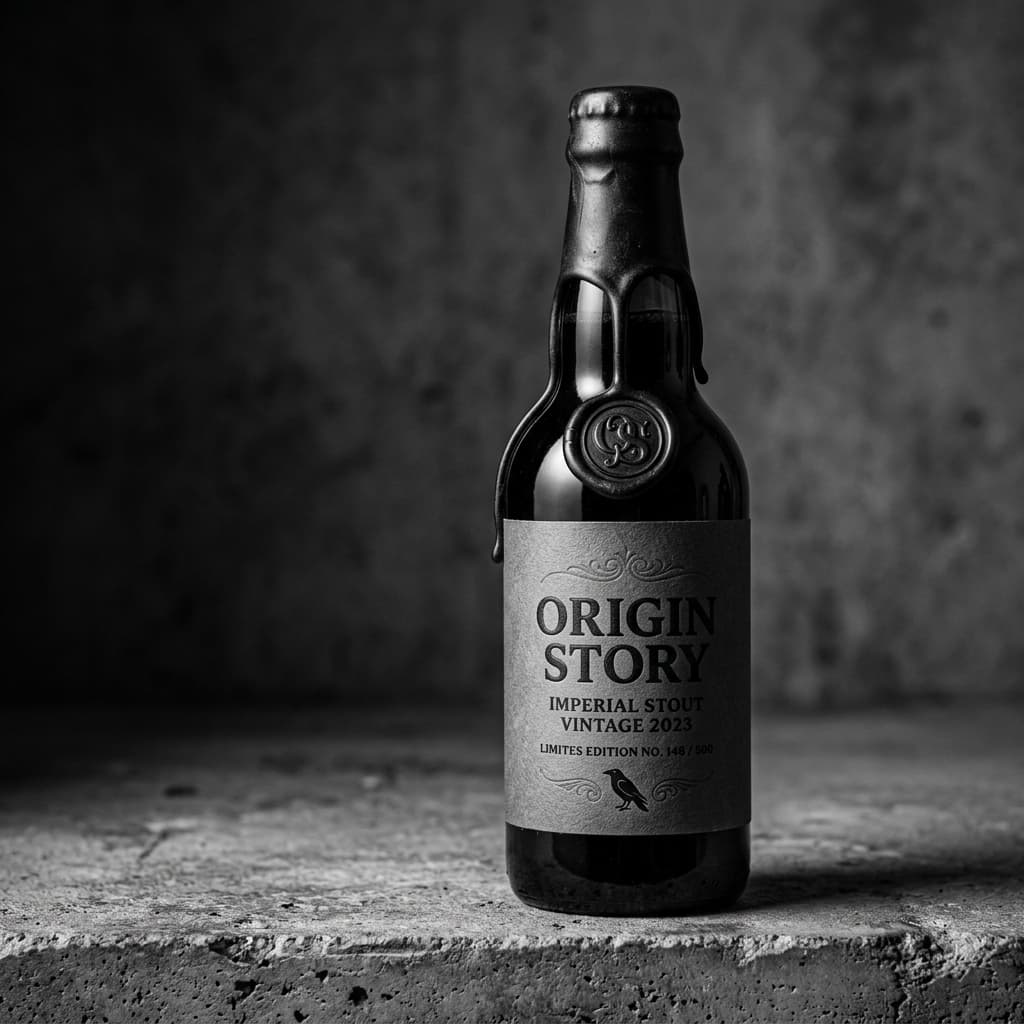
The modern craft landscape on Oʻahu is healthier than it has ever been. Local boutique pillars like the Village Bottle Shop or Beer Lab Hawaii perform vital work for the craft community, curating excellent selections and creating critical gathering spaces for enthusiasts. Yet, for a specific echelon of collector, a structural boundary remains.
When chasing the world's most gatekept, unpasteurized liquid assets—the true allocation-only releases—the standard commercial wholesale architecture proves insufficient.
The Allocation Ecosystem Explained
The premier craft breweries on the West Coast do not operate on a traditional volume-based business model. Visualizing entities like Monkish, Floodland, or de Garde as standard production facilities misses the reality of their operations; they function more like elite allocation houses or estate wineries.
The volumes produced are fundamentally limited by raw material sourcing, barrel real estate, and time. Consequently, these liquids are never released into open commercial wholesale networks. Instead, they are distributed exclusively through internal, closed-loop allocation registries, private bottle clubs, or direct cellar-door lotteries.
To secure these assets, you cannot simply place a commercial purchase order. You must hold an elite membership seat, and you must have a way to claim that asset at the physical cellar door.
The Structural Inbound Penalty
This distribution model presents an steep challenge for Hawaii-based connoisseurs. Even if a local collector manages to secure an allocation slot on a West Coast registry, the physical logistics of moving that fragile, unpasteurized asset across the Pacific are hostile. Standard parcel shipping exposes the liquid to high heat and prolonged vibration, stripping its value entirely.
While local bottle shops excel at importing high-quality, commercial-scale craft beer, their business models are naturally optimized for volume and margin across open store shelves. They are structurally limited from dedicating specialized, isolated cold-chain corridors to clear single cases of wax-dipped sours or custom-scraped IPA cases for a tiny handful of private accounts.
The Power of the Closed-Loop Registry
This exact operational gap is why Haliʻā bypasses the retail framework entirely. By grouping precisely 30 dedicated collectors into a private, unified registry, we concentrate the capital density needed to operate an independent pipeline.
We do not buy from open wholesale markets. Our autonomous acquisition tools and relationships plug directly into direct allocation pools at the physical source, while our asset-light logistics network moves those assets securely at 38°F from cellar to door. It is a highly specialized, closed-loop approach designed specifically for the collector who demands absolute perfection.
THE LETTER // FREE, MONTHLY, WORTH READING
Get the Haliʻā Letter — new reviews, the science of beer freshness, and dispatches from the West Coast beer cities we cover. Free, no spam, unsubscribe anytime.