Journal // B2B Logistics
Navigating the Pacific: The Logistics of Craft Beer Shipping to Hawaii
Published July 2026 • 8 Min Read
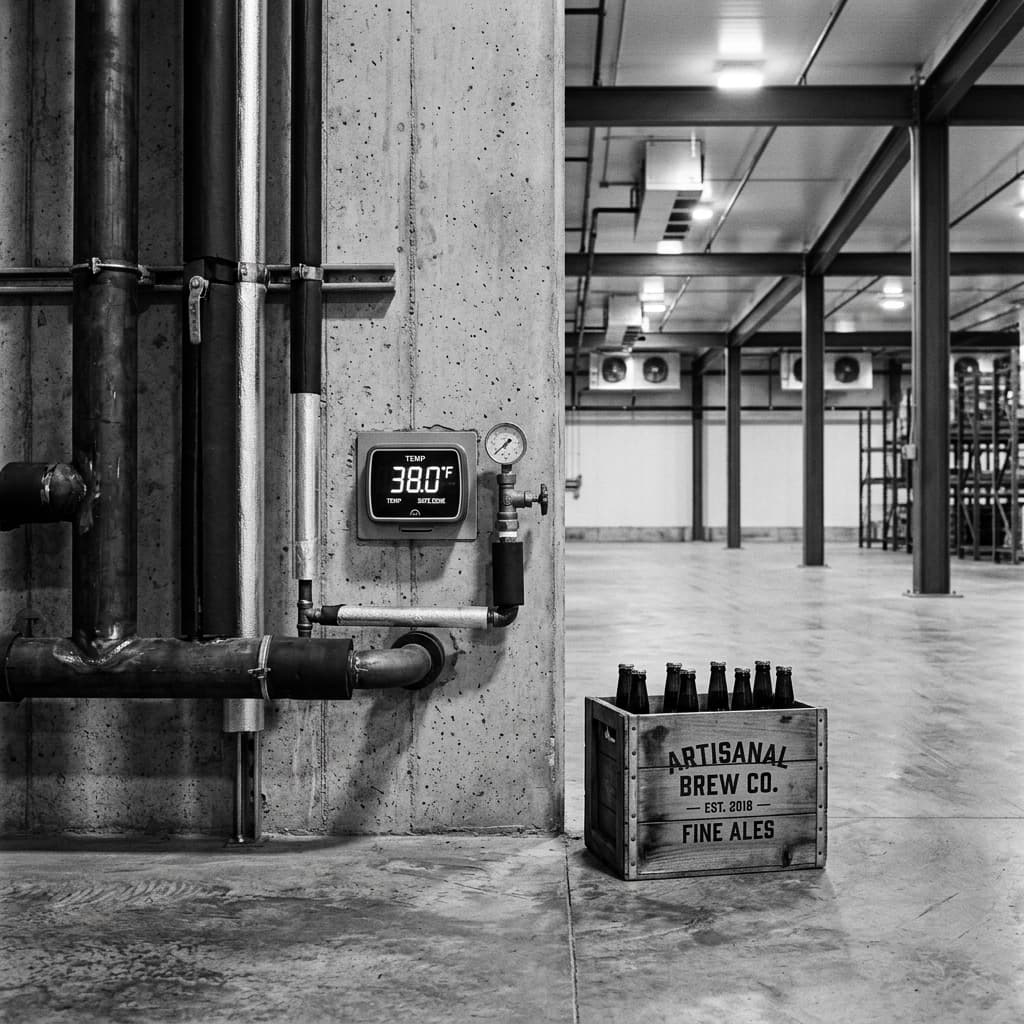
For a mainland craft brewery, expanding your footprint to Hawaii seems like an obvious win. The demand for independent beer on Oʻahu is exceptionally high, driven by a local community of collectors and enthusiasts who closely follow mainland release schedules.
But for Brand Managers and Sales Directors at elite breweries on the West Coast, pulling the trigger on island distribution comes with a distinct sense of anxiety.
You’ve spent years dialing in your water chemistry, sourcing premium hops, and maintaining a strict cold storage environment at your facility to ensure your product leaves the loading dock in pristine condition. Once that beer is signed over to a traditional distributor, however, it enters a logistical black box.
Without a specialized approach to shipping craft beer to Hawaii, your brand's hard-earned reputation can easily die on a tropical shipping dock long before the liquid ever reaches a customer's glass.
"Shipping independent lines to Hawaii without continuous climate custody is a direct compromise of brewer intent."
The Island Distribution Trap: Where Quality Disappears
The core vulnerability in traditional transpacific freight is a systemic lack of temperature control. Most broad-line distributors treat independent craft beer the exact same way they treat dry goods, canned sodas, or pasteurized industrial lagers. They view it as durable, ambient cargo.
When a standard distributor handles an elite shipment, the typical transit loop exposes the product to severe thermal stress: ambient West Coast staging, uninsulated dry boxes during ocean crossings, and prolonged container baking at Honolulu Harbor asphalt under direct sunlight.
The Tradewind Standard: Engineering a Continuous 38°F Pipeline
We founded Haliʻa Distribution to completely eliminate this operational risk. We operate under a simple directive: your beer should never experience a single room-temperature environment from the moment it leaves your facility to the moment it is delivered to Oʻahu collectors.
To achieve this, we replaced the traditional shipping model with a strict, asset-guided cold chain protocol utilizing intermodal ocean reefers plugged into matson vessel power grids and direct storage transfers into deep-water vaults.