Journal // Sourcing Integrity
The Cold-Chain Boundary: Why Thermal Spikes Kill Unpasteurized Expressions
Published July 2026 • 6 Min Read
When searching for fresh craft beer in Honolulu, the primary point of failure isn't the brewing extraction process—it is the open tarmac. Volatile alpha acids and live wild cultures undergo severe thermal degradation when left unprotected on commercial distribution docks.
Unlike pasteurized commercial lagers, which are chemically stabilized and filtered to survive long-term shelf storage at room temperature, independent craft beer—specifically dry-hopped IPAs, sours, and raw stouts—rely on active, delicate biological elements. Unpasteurized yeast, volatile lupulin oils, and complex ester chains are highly heat-sensitive.
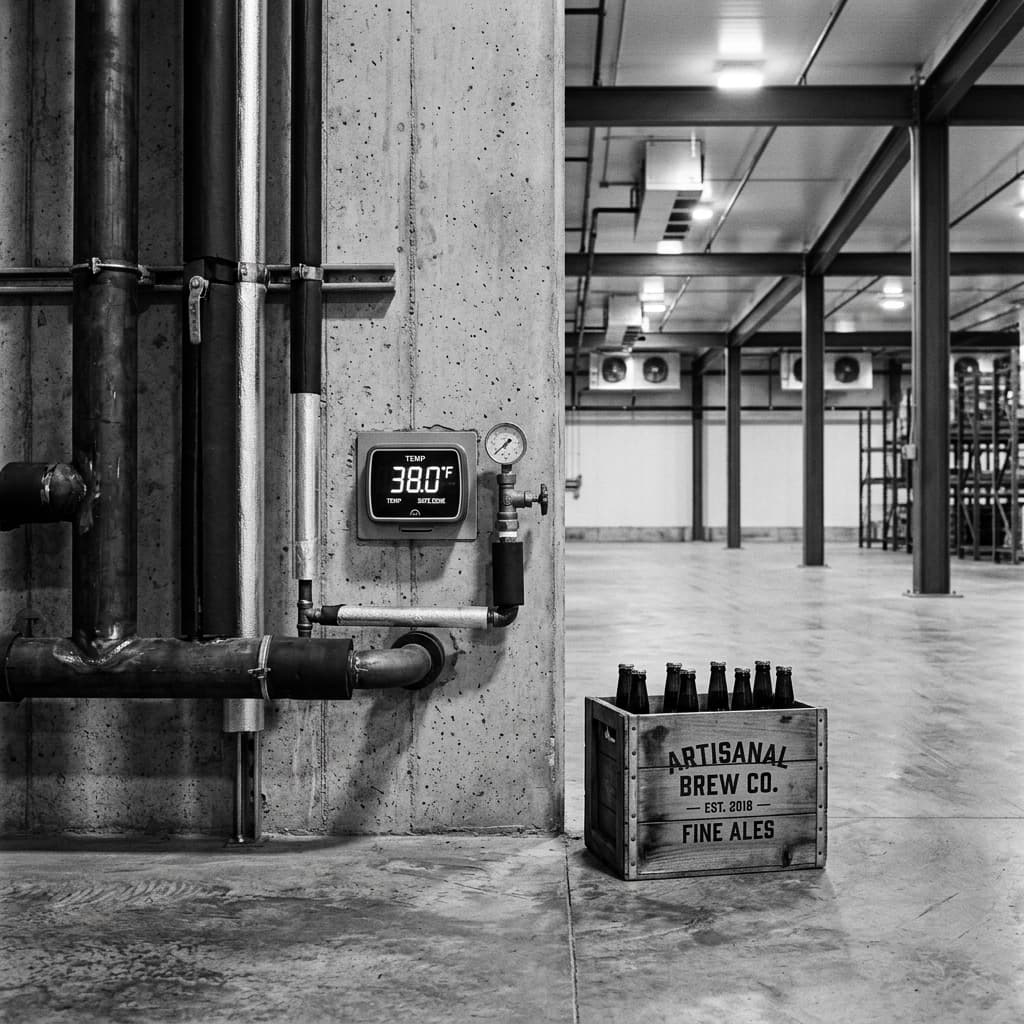
When temperatures spike above the cellar threshold of 38°F (3.3°C), these delicate hop oils begin to break down rapidly. Volatile aromatics oxidize, converting bright citrus and tropical characteristics into wet cardboard and stale honey off-flavors. In heavily-hopped sours, heat can cause refermentation or yeast autolysis, completely ruining the intended balance.
"A single two-hour spike above forty-five degrees alters the molecular profile of an unpasteurized dry-hop sequence permanently."
While local pillars like Hana Koa and Howzit Brewing provide flawless cold integrity at the point of origin, importing elite allocations from independent West Coast cellars requires a specialized, continuous asset-light pipeline. Haliʻa keeps this boundary locked at thirty-eight degrees from source to cellar.