H A L I ʻ ĀBrewery Science // Editorial Report
Back to Mandate
7 Min Read//Yoast Target: “unpasteurized craft beer storage

The Hidden Enemy: Why Unpasteurized Storage Dictates Craft Beer Flavor

Is your favorite beer pasteurized or unpasteurized? Learn how unpasteurized craft beer storage temperatures completely alter the flavor profile of sours and IPAs.

When you step inside a modern craft brewery, you are looking at a highly advanced, sterile laboratory disguised as an industrial workshop. Millions of dollars are spent on stainless steel tanks, precise water filtration loops, and dissolved oxygen meters capable of detecting gas parts-per-billion. Every physical element is micro-managed to protect a living product.

Yet, the second that beer is packaged into a keg, bottle, or aluminum can, its survival relies entirely on a single environmental variable: thermal defense.

For broad-line commercial lagers, temperature control is a secondary concern. Those beers undergo thermal pasteurization—a process that flash-heats the liquid to flash-kill any active microflora or residual yeast cells, turning it into an inert, chemically stable beverage that can safely sit on warm loading docks or retail display floors for months.

Premium independent craft beer, however, is a living, breathing agricultural product. Because it bypasses pasteurization to protect fragile aromas and complex flavor textures, its storage condition isn't just a preference—it dictates the exact chemical makeup of what lands in your glass.

Understanding the science of unpasteurized craft beer storage reveals why treating craft liquid like an ambient grocery item is a direct threat to the consumer experience.


The Biological Reality of Living Liquid

When independent brewers choose to leave their beer unpasteurized, they preserve the raw, organic soul of the ingredients. In a premium double-dry-hopped hazy IPA, an unfiltered German pilsner, or a complex fruited sour, active enzymes and suspended sediment remain native to the liquid.

When this unpasteurized environment is exposed to heat—even standard tropical ambient room temperatures of 75°F to 80°F—the biological aging process accelerates exponentially.

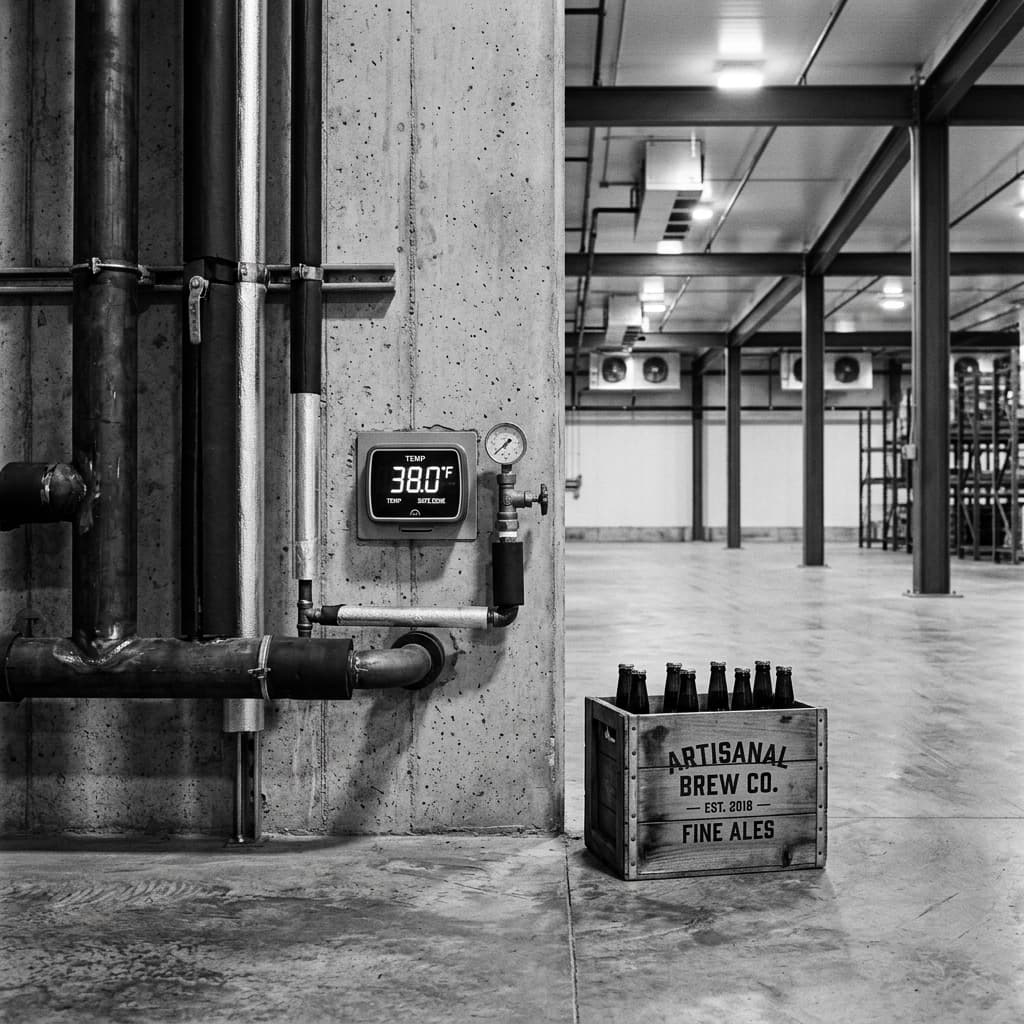
According to chemical kinetic models, the rate of flavor degradation in an unpasteurized beer doubles with every 18°F (10°C) increase above optimal refrigeration levels (34°F–38°F). If a living beer is left at room temperature for just a single week, it experiences a level of staling equal to nearly three months of proper cold storage.

[38°F Baseline Cold Storage] ➔ Chemical clock frozen. Volatile flavor structures locked.
│
▼ (Temperature surges past 75°F)
│
[Ambient Tropical Environment] ➔ Degradation speed doubles. Fast-tracked oxidation loops begin.

The Damage Breakdown: From Hops to Wild Yeasts

Thermal neglect damages different styles of unpasteurized beer in distinct, destructive ways:

1. The Death of the Hazy IPA (Hop Volatiles)

The bright tropical fruit and bright citrus aromas of an independent IPA come from volatile hop essential oils (*myrcene*, *linalool*, and *geraniol*) added late in the brewing process. Heat causes these delicate top-note compounds to break down and dissociate almost immediately. Concurrently, any trace elements of dissolved oxygen inside the can are energized by the heat, initiating an oxidation reaction that turns a bright, opaque gold liquid into a muddy brown, sweet, cardboard-flavored shadow of its former self.

2. Spontaneous Refermentation in Fruited Sours

For unpasteurized kettle sours and wild ales infused with real, unpasteurized tropical fruits (like passion fruit, guava, or mango), warm storage introduces a literal safety hazard. If the storage temperature spikes, any trace wild yeasts or residual sugars inside the liquid can wake up and begin refermenting inside the sealed aluminum container. This biological activity creates excessive carbon dioxide gas pressure, leading to swollen cans, compromised seams, or catastrophic carbonation venting when cracked open.

3. Structural Flabbiness in Crispy Lagers

A world-class pilsner or Helles relies entirely on structural clarity, sharp effervescence, and clean, delicate cracker-malt profiles. Warm storage triggers structural flabbiness, accentuating sulfur off-notes and heavy, sweet organic compounds (*diacetyl*) that wipe out the crisp, clean finish that the brewer spent months lagering in cold tanks to achieve.


The Sanctuary Model: Defending the Liquid

To combat this invisible structural enemy, Tradewind Allocations handles inventory through a defensive logistical framework. We recognize that the traditional method of placing unpasteurized craft beer onto warm, open-air retail shelves completely undoes the hard work of the world’s finest brewers.

Our operational model treats cold storage as an absolute mandate, not an elective choice:

Continuous 38°F Enclosure: Pallets move from West Coast cold hubs directly into climate-locked, ocean-going reefers. They draw continuous power across the ocean transit to guarantee a stable internal environment.

Direct-to-Vault Injection: Upon entering Honolulu Harbor, inventory completely bypasses standard uninsulated storage yards. Pallets are immediately transferred into deep-water cold storage at Unicold Corporation.

Digital Drop Fulfillment: By utilizing a secure, reservation-only digital waitlist, we completely eliminate the traditional retail storefront display rack. The product is kept in cold hibernation until the moment a collector claims their reservation slot, moving swiftly into last-mile insulated transit loops.

By respecting the unique science behind unpasteurized craft liquid, we ensure that the complex aromas, crisp malts, and vibrant fruit expressions remain perfectly preserved. When you open an allocation can on Oʻahu, it tastes exactly like it did when it first left the packaging line on the mainland.


*Want to secure a continuous, temperature-protected link to the West Coast's most prestigious independent arrivals? Join the Tradewind Allocations Waitlist to lock in priority allocation access for our upcoming vessel drops.*

Logistical Security Protocol

Unbroken 38°F Cold Chain Custody Verified